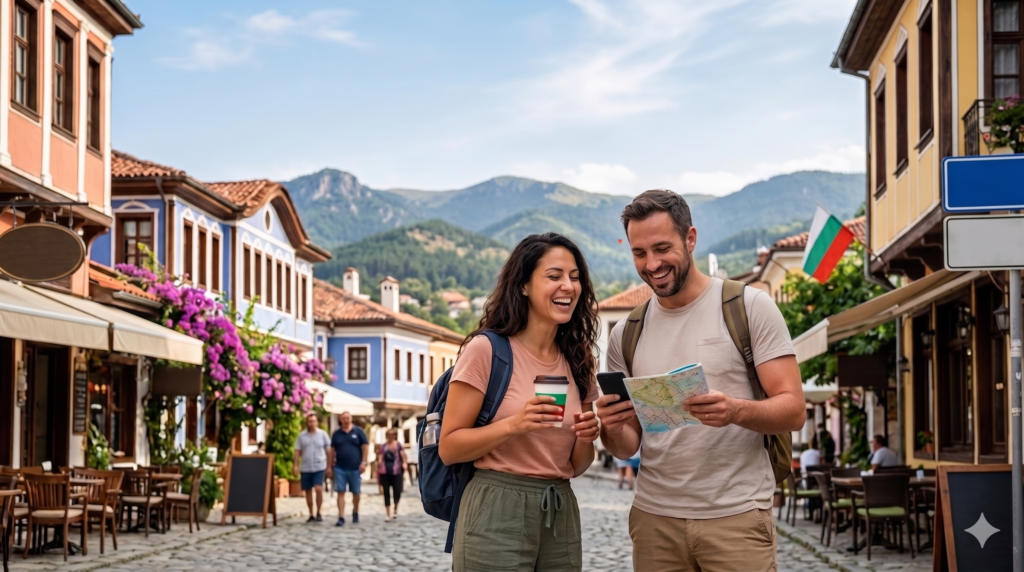
Bulgaria doesn’t make most Americans’ shortlists — at least not at first. It’s not the country you see featured in travel magazines or hear about at dinner parties.
But for the Americans who do discover it, the reaction is often the same:
“Why didn’t anyone tell me about this sooner?”
This guide covers what daily life actually looks like for American expats in Bulgaria in 2026 — the good, the honest, and the practical. No hype, no sugarcoating. If you’re seriously considering a move, this is the ground-level picture you need.
Where Americans Actually Live in Bulgaria
Bulgaria isn’t a one-city country. Where you live depends heavily on your lifestyle preferences.
Varna — The Black Sea Option
Varna is the primary focus for many American retirees — and for good reason.
It’s Bulgaria’s third-largest city and its main coastal hub: a walkable, modern European city with miles of Black Sea coastline, a functioning international airport, private healthcare, and a growing expat community.
For retirees, Varna hits a rare balance:
- Real city infrastructure
- Coastal lifestyle
- Lower density than Sofia
- Property prices that still represent genuine value
Sofia — The Capital
Sofia attracts the largest number of expats due to its international business environment, universities, and cultural scene.
Neighborhoods like Lozenets and the city center are especially expat-friendly. English is widely spoken in professional settings.
Sofia offers:
- The best selection of English-speaking services
- More restaurants, culture, and nightlife
- Strong international connectivity
It’s also Bulgaria’s most expensive city — though still significantly cheaper than Western European capitals.
Bansko — The Mountain Lifestyle
Bansko is a ski town in the Pirin Mountains that has evolved into a year-round expat hub.
It’s especially popular with:
- Digital nomads
- Remote workers
- Outdoor enthusiasts
Expect a tight-knit international community, coworking spaces, and a slower pace of life.
Plovdiv — Culture and Character
Plovdiv is one of Europe’s oldest cities and offers a relaxed, artistic atmosphere.
It’s known for:
- Beautiful Old Town architecture
- Café culture
- Lower cost of living
- Growing creative and tech scene
If you want European charm without resort-town energy, Plovdiv is worth serious consideration.
Cost of Living: The Real Numbers (2026)
Bulgaria adopted the euro on January 1, 2026. Prices below reflect current euro-based estimates.
Housing
- Sofia: €500–€800/month for a central one-bedroom
- Varna: €400–€700/month for a well-located 2-bedroom near the sea
- Smaller cities: often under €400
Purchase prices in Varna:
- €80,000–€200,000 for quality 2-bedroom apartments
👉 Still far below Spain, Italy, or Portugal.
Important:
Winter heating costs can be high in older buildings. Look for:
- Good insulation
- Efficient heating (AC units are often cheaper than electric heaters)
Food and Dining
Groceries are affordable and high quality.
- Weekly groceries (2 people): €50–€80
- Casual dining: €8–€15 per person
- Coffee: €1.50–€2.50
- Nice dinner: €25–€35 per person
Dining out regularly is realistic — not a luxury.
Utilities and Internet
- Utilities: up to €200/month
- High-speed fiber internet: ~€15–€20
Internet quality is excellent — even outside major cities.
Transportation
- Public transport: ~€25/month
- Taxis: inexpensive
- Car optional in cities
You can live comfortably in Varna or Sofia without owning a vehicle.
Monthly Budget Summary
- Comfortable lifestyle (couple): €1,400–€2,200
- Higher-end lifestyle: up to €3,000
👉 Still dramatically lower than Western Europe or most U.S. cities.
Healthcare: What Americans Need to Know
Bulgaria has both public and private healthcare systems.
Most American expats use private healthcare because:
- It’s affordable
- Wait times are short
- English-speaking doctors are common
Typical costs:
- Specialist visit: €30–€80
- Dental care: 60–80% cheaper than the U.S.
Private hospitals in Varna and Sofia are modern and well-equipped.
Important:
Medicare does NOT cover you overseas.
International health insurance is essential.
Language: Easier Than You Think
Bulgarian uses the Cyrillic alphabet, which looks unfamiliar at first.
But in practice:
- English is widely spoken in cities
- Younger Bulgarians speak it well
- Service industries are expat-friendly
Where you may struggle:
- Government offices
- Paperwork
- Rural areas
Most expats solve this by:
- Using translators/apps
- Working with local professionals
You don’t need fluency — but learning basics helps.
Culture and Daily Life
Life in Bulgaria moves slower than in the U.S.
That includes:
- Slower bureaucracy
- Less urgency in service
- More emphasis on daily life
For many retirees, that’s the point.
Daily life often includes:
- Long meals
- Walks along the sea
- Café culture
- Weekend travel
Culturally:
- Bulgarians are direct, not overly expressive
- Warmth develops over time
- Relationships matter
Once understood, it feels authentic — not unfriendly.
Safety
Bulgaria is considered one of the safer countries in Europe for expats.
- Violent crime is rare
- Petty theft exists in tourist areas
- Most expats feel safe, including those living alone
Getting a SIM Card and Staying Connected
Easy and cheap.
Providers:
- A1
- Yettel
- Vivacom
Plans:
- Under €10/month
Avoid airport purchases — prices are higher.
Leisure and Lifestyle
Bulgaria offers a wide range of activities:
Outdoors:
- Mountains (Rila, Pirin, Balkan)
- Skiing and hiking
- Black Sea beaches
- Wine regions
Culture:
- Museums
- Theater and opera
- Festivals
- Historical sites
Travel Access:
- Greece: 2–3 hours
- Romania: nearby
- Turkey: within reach
- Europe: easily accessible
Bulgaria’s location is a major advantage.
What’s Harder Than Americans Expect
Banking
Opening an account can take time and paperwork. Expect multiple visits.
Bureaucracy
Processes are slower and more paper-based than in the U.S.
System Inefficiencies
Administrative systems can feel outdated. Patience is required.
Heating Costs
Older buildings can be inefficient. Always verify before renting or buying.
The Bottom Line on Daily Life
Americans who stay in Bulgaria typically value:
✔ Lower cost of living
✔ European lifestyle
✔ Safety
✔ Access to nature and travel
✔ Slower pace
Trade-offs:
- Less convenience
- Smaller expat communities
- More effort with admin tasks
For the right person, Bulgaria in 2026 remains one of the most compelling retirement options in Europe.
Want to Know If Bulgaria Is Right for You?
Reading helps. Talking to someone who understands both sides is better.
Our U.S.-based advisors bring 32+ years of real estate and mortgage experience.
We help you understand:
- Costs
- Residency
- Property
- Real-life expectations
Start Your Free Consultation →
RetireInBulgariaUSA.com is operated by Axel Real Estate & Home Loans Inc., a U.S.-based advisory company. We are not licensed real estate brokers in Bulgaria. Property transactions are handled exclusively by licensed local partners. This content is for informational purposes only and does not constitute tax, legal, or financial advice. Please consult qualified professionals before making relocation decisions.
Leave a Comment