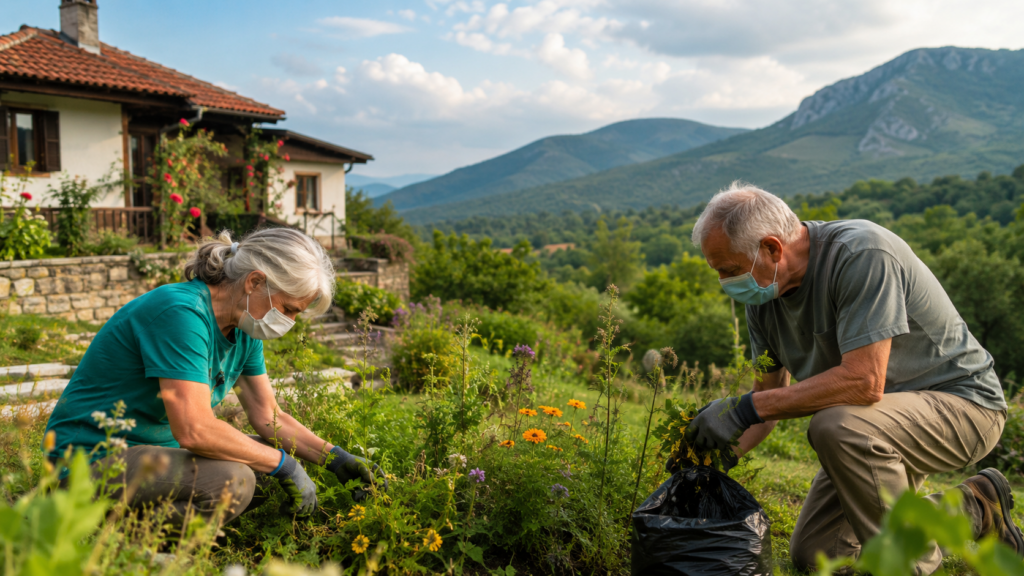
Many Americans dreaming of a Bulgarian retirement picture vineyards, countryside farmhouses, mountain cabins, and fresh air. That lifestyle is genuinely wonderful — and for most retirees, completely safe. But awareness of a few environmental risks, including hantavirus, can make the difference between a confident move and an avoidable health scare.
What Is Hantavirus?
Hantavirus is a rare but potentially serious viral disease primarily spread through contact with infected rodents — especially their urine, droppings, or saliva. Humans can become infected when tiny contaminated particles become airborne and are inhaled, typically while cleaning garages, sheds, cabins, basements, storage areas, or rural properties.
Although cases are uncommon, hantavirus can become life-threatening if not recognized early. Awareness is especially important for retirees who enjoy rural living, gardening, farming, hiking, or restoring older homes abroad.
How Does Hantavirus Spread?
Hantavirus is not usually spread from person to person in most strains found in North America and Europe. The primary source is exposure to infected rodents.
Common risk situations include:
- Cleaning enclosed spaces with rodent droppings
- Living near fields, forests, barns, or countryside areas
- Disturbing dust in unused homes or storage rooms
- Handling firewood or old furniture
- Camping or hiking in rodent-heavy areas
Symptoms of Hantavirus
Symptoms often begin like the flu, which can make early diagnosis difficult.
“`
Early Symptoms
- Fever
- Fatigue
- Muscle aches
- Headaches
- Chills
- Dizziness
- Nausea or vomiting
Advanced Stage
As the illness progresses, some people develop severe breathing problems caused by fluid buildup in the lungs — known as Hantavirus Pulmonary Syndrome (HPS). This requires immediate medical care.
“`
Is Hantavirus Common in Bulgaria?
Hantavirus cases in Bulgaria and parts of Eastern Europe are relatively rare but not unheard of. Different strains exist in Europe compared to North America. Rural and mountainous regions across Europe can carry some level of rodent-related disease risk.
For most retirees living normal urban or coastal lifestyles in cities like Varna, Burgas, or Sofia, the risk remains very low. However, retirees buying countryside homes, farmhouses, mountain cabins, or older rural properties should take extra precautions when renovating or cleaning long-unused buildings.
If purchasing an older rural property in Bulgaria, professional cleaning and a rodent inspection before moving in is a worthwhile investment — not just for hantavirus, but for overall home safety.
How Retirees Can Protect Themselves
The good news is that prevention is straightforward. A few simple habits dramatically reduce your risk.
“`
Never vacuum or dry sweep rodent droppings
Ventilate closed spaces before cleaning
Wear gloves and masks when cleaning dusty storage areas
Spray disinfectant on contaminated areas first, before touching
Seal holes where rodents can enter your home
Store food securely and keep outdoor areas free of nesting spots
“`
Why Awareness Matters for Retirees Abroad
Many retirees moving overseas dream of peaceful countryside living, gardening, mountain retreats, or restoring traditional homes. While these lifestyles can be deeply rewarding, they sometimes expose people to environmental risks they may not have considered before.
Simple awareness and preventive habits dramatically reduce the risk of hantavirus and other rodent-related illnesses. The goal is not fear — but informed living.
Planning a Safe and Informed Retirement Abroad?
At Retire in Bulgaria USA, we help Americans understand not only visas, healthcare, housing, and cost of living — but also the practical realities of living overseas safely and confidently.
Frequently Asked Questions
“`
“`
Leave a Comment